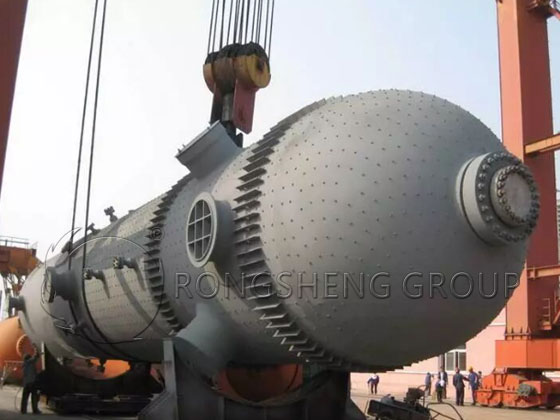
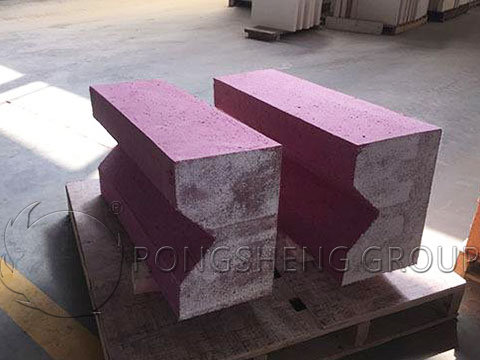
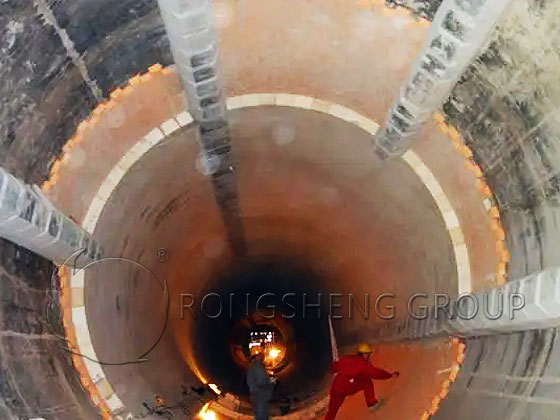
As a core piece of equipment in the coal chemical industry, the gasifier’s internal refractory materials directly withstand the erosion and scouring of high temperatures (above 1300℃), high pressures (4-8MPa), and molten slag. Therefore, the performance requirements for the refractory bricks are extremely stringent. The gasifier’s refractory material can be divided into three main parts: the conical bottom, the cylinder, and the dome. A certain expansion space is reserved between the dome and the shell to allow the refractory bricks inside the gasifier to expand upwards during operation. From the inside out, it can be further divided into several layers. Taking the cylinder refractory material as an example, it can be divided into four layers: the fire-facing refractory layer, the backing layer, the insulation layer, and the compressible layer (the dome and conical bottom are similar). A 3-5mm expansion gap is reserved between the first three layers to allow for unrestricted radial expansion.
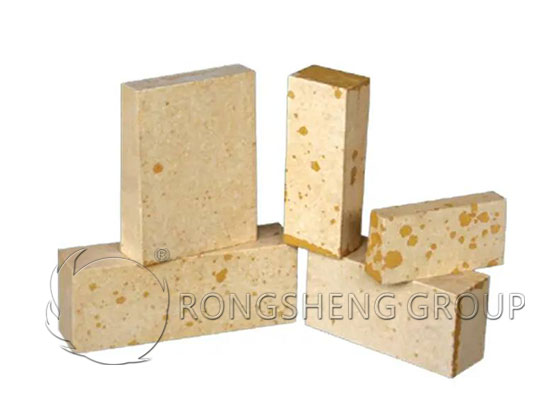
Refractories for Gasifier Lining
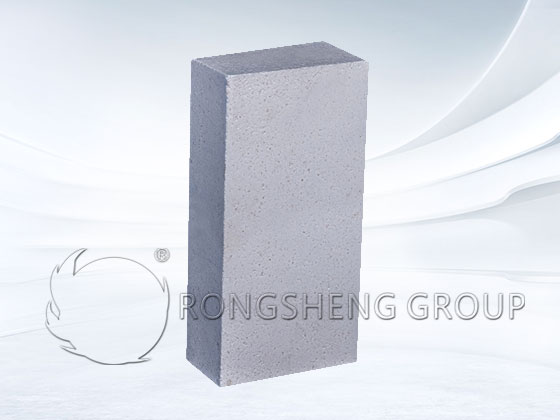
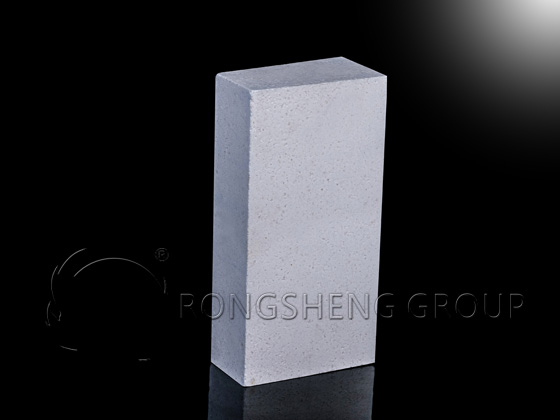
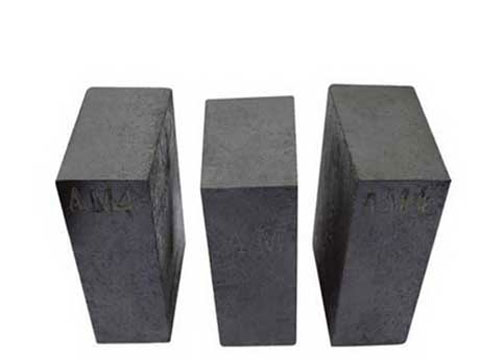
Gasifier Lining Refractory Bricks
Flame-facing Refractory Layer: Also known as the hot-face brick, this is a high-temperature, corrosion-resistant consumable layer, generally made of high-chromium materials. It requires high-temperature chemical stability, high creep strength, and thermal shock resistance. The thickness of the flame-facing bricks in the coal-water slurry gasifier shell is approximately 230mm.
Backing Layer: Primarily provides thermal insulation, but also serves as a temporary safety lining in the event of the flame-facing bricks disappearing. Backing bricks are mostly made of corundum bricks. The shell refractory brick thickness is approximately 200mm.
Insulation Layer: Requires good insulation performance to keep the metal shell within safe temperature limits. It also minimizes heat loss, generally using alumina hollow spherical bricks. The shell refractory brick thickness is approximately 110mm.
Compressible Layer: Can be compressed or return to its original shape within a certain temperature range, reducing the impact of radial thermal expansion stress on the shell. Thickness is approximately 15-20mm.
Whether it’s the fire-facing refractory bricks or the backing refractory bricks, a relatively reliable bonding method is required between the circumferential and longitudinal bricks. This enhances the overall integrity of the furnace lining, prevents the erratic movement of high-temperature gases between refractory bricks, and ensures the safety of the pressure-bearing shell.
The localization of refractory materials for coal-water slurry gasification furnaces has gone through roughly the following stages: from the research and application of Cr2O3-Al2O3-ZrO2 ramming mixes in the early 1980s, to the successful development of Cr2O3-Al2O3-ZrO2 refractory bricks (high-chromium bricks) in China at the end of the 1980s, and then to their successful use in the Lunan Fertilizer Plant, Weihua Chemical Plant, and Shanghai Coking Plant in the 1990s. To this day, refractory brick research continues. For example, domestic refractory material plants are accelerating research on the harmlessness of Cr-containing materials, i.e., Cr6+ inhibition, resource conservation, and chromium-free lining. They are also developing technologies for the reuse of high-chromium residual bricks after use to address resource shortages. SiC materials are being used in non-oxidizing areas to leverage their advantages in erosion resistance and thermal shock resistance. Developing new materials and structures of chromium-free oxide materials for use in coal-water slurry pressurized gasifiers reduces environmental damage and achieves sustainable development. Innovations are also ongoing in refractory brick construction: for example, Yankuang Guohong has a patented design of a funnel-shaped structure that eliminates stepped gaps, preventing slag vortex erosion and high-temperature gas burns.
Problems to be Solved in the Application of Chromium Corundum Bricks
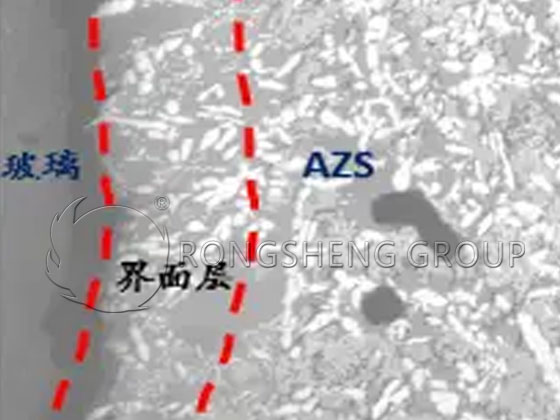
The operating environment of a gasifier is extremely harsh. Its combustion reaction occurs in a strongly reducing atmosphere, and it is constantly corroded by acidic molten slag and eroded by high-speed fluids. Due to the need for slag discharge, the operating temperature of a coal-water slurry gasifier is typically 50-100°C higher than the melting point of coal ash, and the liquid slag causes severe corrosion to refractory materials. Therefore, there are still many issues that need further improvement in the application of chromium corundum bricks in gasifiers.
The service life of chrome corundum bricks needs further improvement.
The service life of chrome corundum bricks in the gasifier shell and dome is generally 8000-20000 hours, while the service life of high-chromium bricks at the slag opening and cone bottom is generally 3000-6000 hours. This mismatch in service life significantly affects the overall service life of the gasifier and the entire production rhythm, and increases operating costs. Therefore, conducting relevant research to further improve the service life of high-chromium bricks is of great significance.
Sintering issues require further research and solutions.
The high volatility of Cr2O3 makes it difficult to sinter and densify. To ensure complete sintering of Cr2O3 materials, methods such as controlling the weak reducing atmosphere during firing, using coating sintering, adding sintering aids, introducing nanomaterials, and adding sintering composites can be employed to improve the sintering performance of high-chromium materials.
Thermal shock resistance needs improvement.
The addition of monoclinic ZrO2 significantly improves the thermal shock resistance of chromium corundum bricks. However, the thermal shock resistance of chromium corundum bricks is still relatively poor, frequently exhibiting spalling and cracking during use, which significantly affects the operation of gasifiers. Therefore, further research is needed to improve the thermal shock resistance of high-chromium bricks.
Reducing environmental pollution.
Under certain conditions, Cr2O3 in chromium corundum bricks can be oxidized into toxic Cr2O3, polluting the environment. Therefore, controlling CrO3 generation during production and use, strengthening the recycling and reuse of used materials, and properly disposing of waste materials to reduce environmental pollution are particularly important issues.