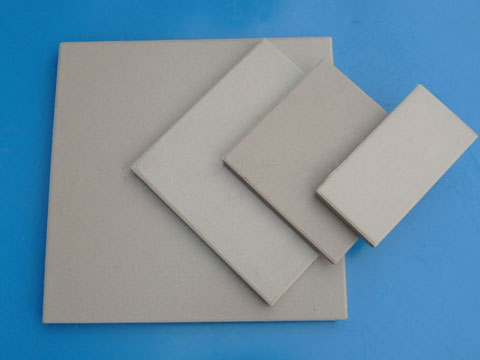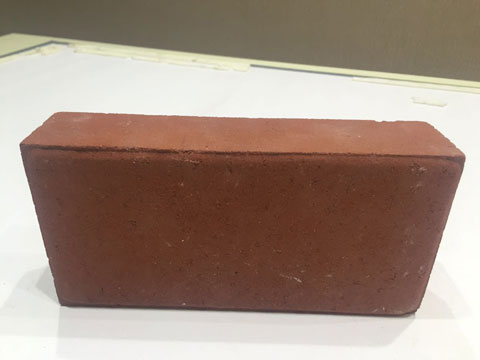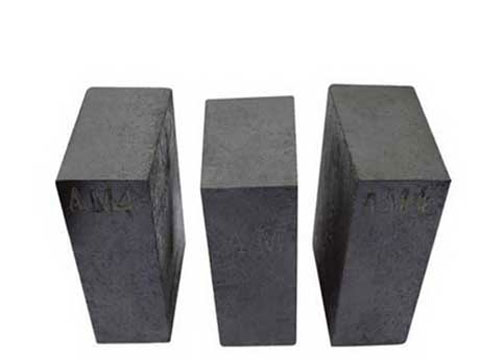
The 150×150×30mm acid-resistant bricks are standard, medium-to-heavy-duty acid-resistant ceramic tiles. With a thickness of 30mm, it offers high load-bearing capacity and excellent corrosion resistance, combining compressive strength with resistance to acid and alkali corrosion; it is primarily designed for heavy-duty anti-corrosion applications in the chemical industry. Specific application scenarios are categorized below:

Industrial Chemical Sector (Core Application Areas)
Chemical Plant Flooring
Flooring for chemical plants, fertilizer factories, printing and dyeing mills, pharmaceutical plants, electroplating workshops, pickling and passivation workshops, and non-ferrous metal smelting workshops. These areas involve long-term exposure to corrosive media such as sulfuric acid, hydrochloric acid, alkaline solutions, and salts. The 30mm thickness withstands the weight and traffic of heavy forklifts and transport tankers, resisting cracking and breakage.
Linings for Storage Tanks and Basins
Linings for acid-alkali neutralization tanks, sewage sedimentation tanks, wastewater equalization tanks, pickling tanks, electrolytic cells, waste liquid collection channels, and laboratory waste trenches. The substantial brick thickness, combined with specialized mortar for masonry, significantly enhances impermeability and corrosion resistance.
Containment Bunds for Chemical Storage Tank Areas
Impermeable containment bunds for hazardous chemical storage tanks and emergency spill collection areas. These prevent corrosive liquids from seeping through and damaging the concrete substrate, ensuring compliance with strict safety and environmental regulations.
Environmental Wastewater Treatment Projects
- Tank structures, channels, and equipment foundations for large-scale industrial park wastewater treatment plants and municipal high-concentration industrial wastewater treatment facilities.
- Leachate treatment workshops in waste-to-energy plants and food waste processing facilities; designed to withstand highly corrosive environments characterized by high salinity and high organic acid content.
Metallurgical and Mining Engineering
- Flooring and drainage channels in mineral processing workshops, ore pickling and sorting platforms, and metallurgical pickling sections.
- Desulfurization and denitrification workshops in power plants, wet desulfurization slurry tanks, and pickling/dust removal areas; resistant to the highly corrosive nature of desulfurization slurries.
Specialized Industries: Food and Papermaking
- Pulping sections and bleaching workshops in paper mills, where large quantities of acidic cooking liquor can easily corrode flooring.
- Condiment and fermented food processing plants: Flooring is subject to long-term erosion by organic acids—conditions that easily damage standard floor tiles—whereas these thick tiles offer a significantly longer service life.
Scenarios Not Recommended
- Flooring in standard residential buildings, shopping malls, or office buildings: High costs and heavy self-weight result in poor cost-effectiveness.
- Small-scale laboratory countertops: The tile dimensions are too large; smaller, thinner acid-resistant tiles are typically preferred for these applications.
- Standard water tanks requiring waterproofing but not corrosion resistance: Standard ceramic tiles are sufficient.
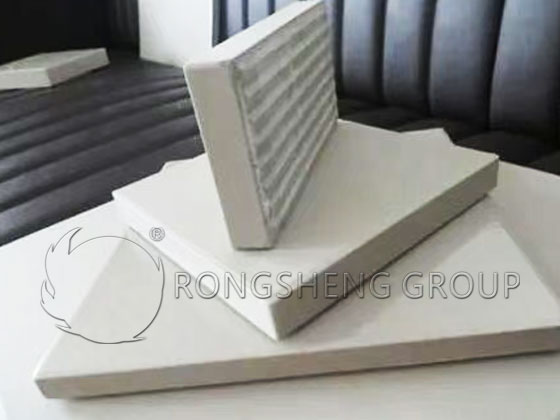
Summary of Selection Advantages
Compared to conventional thin acid-resistant tiles (150×150×20mm), the 30mm thickened version offers the following advantages:
- Higher mechanical strength, capable of withstanding heavy vehicle traffic.
- Superior thermal shock resistance, making them less prone to cracking in industrial environments with significant temperature fluctuations.
- Better overall impermeability, making them suitable for underground tanks and critical anti-corrosion areas with strict seepage-prevention requirements.
Why are acid-resistant bricks used in anti-corrosion workshops?
Professionals working on projects involving chemical plants, wastewater treatment facilities, electroplating workshops, and pickling tanks frequently encounter the term “acid-resistant brick.” However, many remain unclear about exactly what these bricks are and how they differ from standard ceramic tiles or refractory bricks.
First, acid-resistant bricks are a type of specialized industrial ceramic tile, distinct from the standard tiles used in home renovations. Manufactured primarily from quartz, feldspar, and clay through high-temperature and high-pressure firing, they possess a dense, hard internal structure and exceptional chemical stability. Their core advantages include resistance to strong acid corrosion, wear resistance, and impermeability to liquids.
Key characteristics of acid-resistant bricks:
- Superior corrosion resistance: They offer long-term resistance to corrosion from sulfuric, hydrochloric, nitric, and phosphoric acids, as well as various organic acids and salts. In corrosive chemical environments, they do not erode, pulverize, or flake off—performance capabilities that ordinary cement and standard ceramic tiles simply cannot match.
- Extremely low water absorption and impermeability: Thanks to high sintering density and minimal porosity, these bricks resist liquid penetration. Once installed as flooring, tank linings, or drainage channel linings, they are unlikely to suffer from leakage or dampness issues.
- High compressive strength and wear resistance: These bricks are robust and durable. They withstand the weight and movement of workshop overhead cranes and forklifts, as well as friction from heavy objects, without easily breaking. They offer a long service life, often lasting over a decade under normal operating conditions.
- Smooth, easy-to-clean surface: They do not readily accumulate dirt. Glazed acid-resistant bricks feature a smooth surface that allows for easy removal of acid or alkali stains. Unglazed (matte) versions offer superior slip resistance, making them ideal for workshop flooring where personnel walk frequently.