Refractory materials for ferroalloy electric furnaces consist of three parts: furnace roof refractories, furnace wall refractories, and molten pool refractories (furnace slope and furnace bottom), as well as electric furnace brick and castables.
During ferroalloy smelting, the refractory materials in different parts are subjected to different working conditions.
The furnace roof refractories are mainly subjected to the erosive impact of high-temperature furnace gas and sprayed slag, temperature changes during charging intervals, radiant heat from the high-temperature arc, airflow impact, and pressure changes during material collapse.
The furnace wall refractories mainly withstand the high-temperature radiation from the electric arc and temperature changes during charging intervals; the erosive impact of high-temperature furnace gas and sprayed slag; the impact and abrasion of solid and semi-molten materials; and severe slag erosion and impact near the slag line. Additionally, they bear extra pressure when the furnace tilts.
The furnace slope and furnace bottom refractories mainly withstand the pressure of the upper layer of charge or molten iron; temperature changes during charging intervals, charge impact, and arc melting loss; and the erosive impact of high-temperature molten iron and slag.
To ensure the normal operation of the electric furnace, electric furnace brick, refractory materials with high refractoriness and softening temperature under load, good resistance to rapid heating and cooling, and slag resistance, large heat capacity, and certain thermal conductivity must be selected for the furnace lining. The properties and characteristics of furnace lining refractory brick materials commonly used in ferroalloy production are as follows:
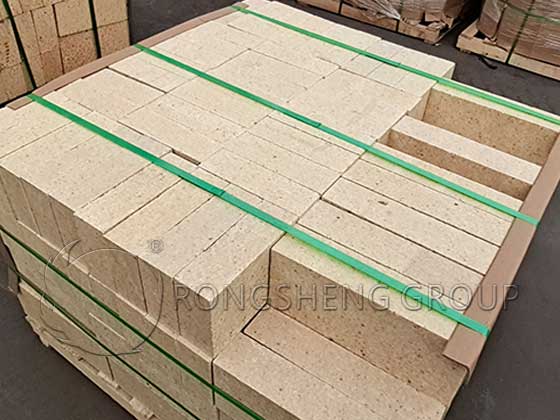
Clay Bricks
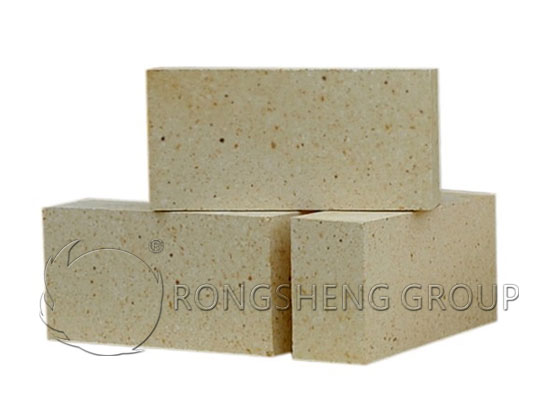
The main raw material for manufacturing clay bricks is refractory clay with good plasticity and binding strength.
The main performance characteristics of clay bricks are: strong resistance to acidic slag, good resistance to rapid heating and cooling, good heat insulation capacity, and certain insulation properties; however, they have relatively low refractoriness and softening temperature under load. Clay bricks are not suitable for direct use under high-temperature conditions or special requirements.
In ferroalloy production, clay bricks are mainly used for lining the exposed parts of submerged arc furnaces, serving as the outer lining of the furnace walls and bottom for heat insulation and insulation, or for lining the inner lining of molten iron ladles.
The main raw material for manufacturing high-alumina bricks is high-alumina bauxite, with refractory clay as the binder.
Compared to clay bricks, the biggest advantages of high-alumina bricks are high refractoriness, high softening temperature under load, good slag resistance, and high mechanical strength. The disadvantage is that high-alumina bricks have poor resistance to rapid heating and cooling.
In ferroalloy production, high-alumina bricks can be used to build the lining bricks at the taphole of submerged arc furnaces, the top of refining electric furnaces, and the inner lining of molten iron ladles.
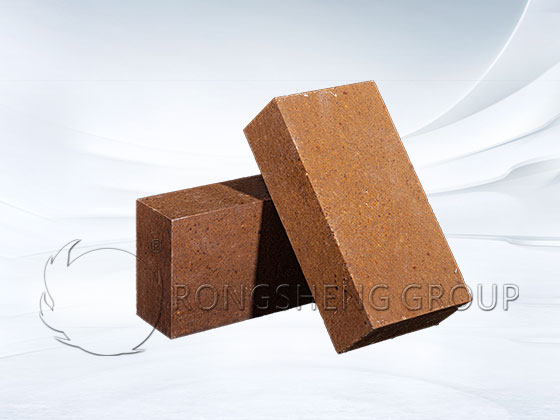
The main raw material for manufacturing magnesia bricks is magnesite, with water and brine or sulfite pulp waste liquor as binders.
The main performance characteristics of magnesia bricks are: high refractoriness and excellent resistance to alkaline slags. However, they have relatively high thermal conductivity and electrical conductivity at high temperatures, and a low softening temperature under load, resulting in poor resistance to rapid heating and cooling. They pulverize when exposed to water or steam at high temperatures.
In ferroalloy production, magnesia bricks are used to construct the furnace walls and bottoms of high-carbon ferrochrome reduction electric furnaces, medium- and low-carbon ferrochrome converters, shaking furnaces, and refining electric furnaces, as well as the linings of ladles containing ferrochrome and medium- and low-carbon ferromanganese. Magnesia-alumina bricks are used instead of magnesia bricks for furnace roof construction. Magnesia sand has very high refractoriness. In ferroalloy production, magnesia sand is often used for bridging furnace bottoms, making and repairing furnace walls and bottoms, and can also be used as a plugging material or for making bridging ingot molds.
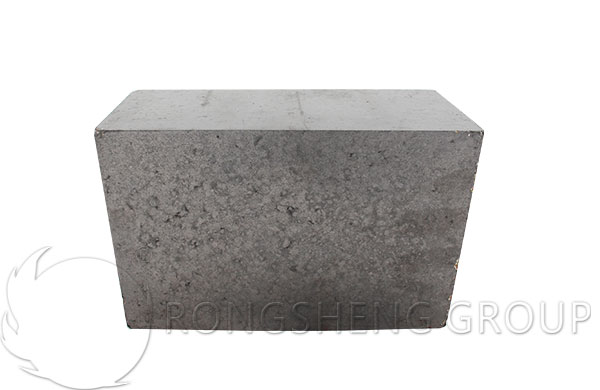
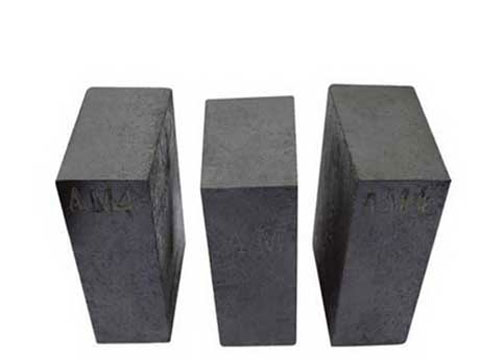
The main raw materials for manufacturing carbon bricks are crushed coke and anthracite, with coal tar or pitch as the binder.
Compared to other common refractory materials, carbon bricks not only have high compressive strength, low coefficient of thermal expansion, good wear resistance, high refractoriness and softening temperature under load, and good resistance to rapid heating and cooling, but also exhibit exceptional slag resistance. Therefore, carbon bricks can be used as lining materials for submerged arc furnaces for smelting ferroalloys that are not susceptible to carburization.
Carbon bricks oxidize easily under high temperatures, and they also have relatively high thermal and electrical conductivity. In ferroalloy production, carbon bricks are mainly used for lining the furnace walls and the bottom of submerged arc furnaces in areas not exposed to air.